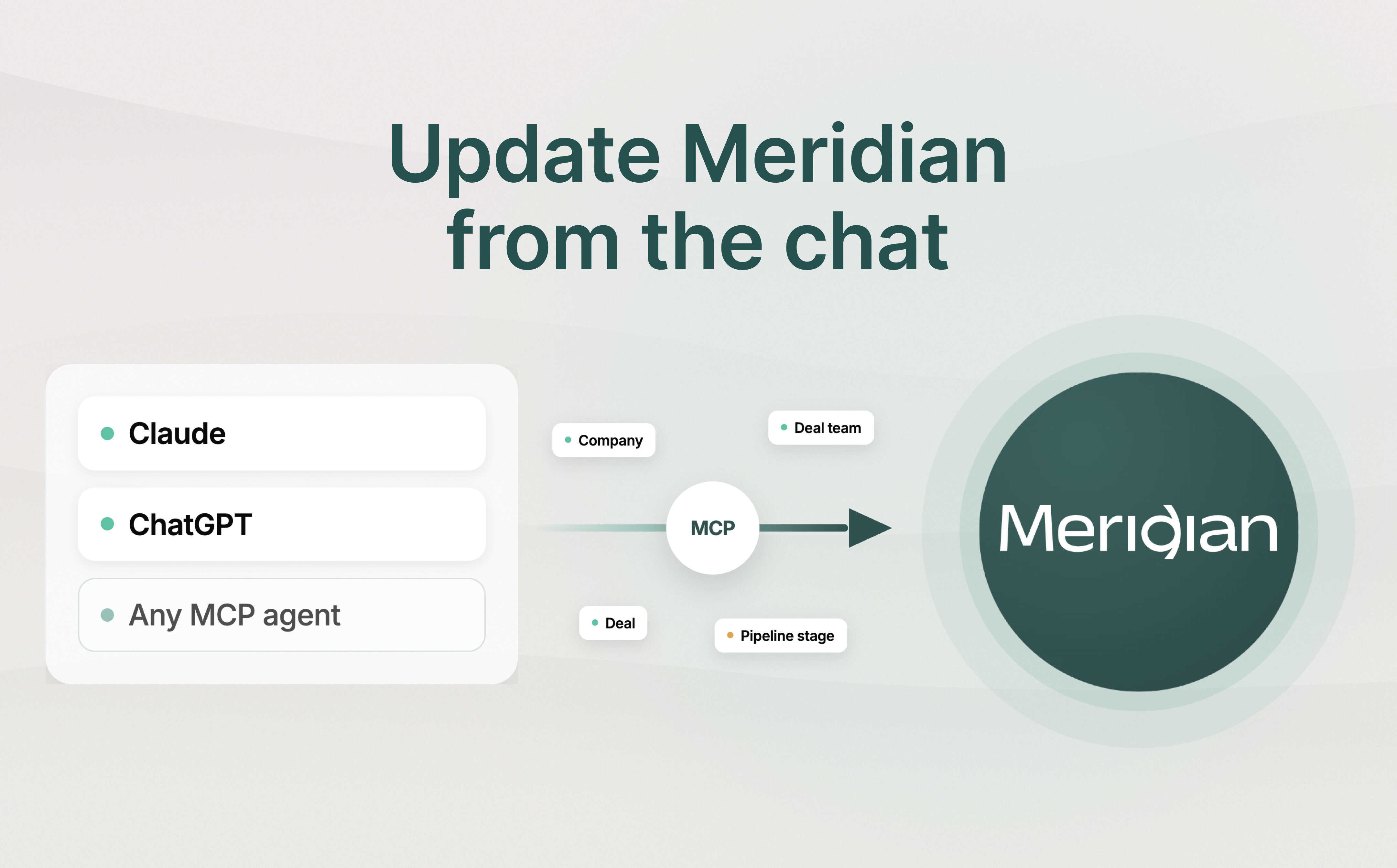

Meridian MCP is live!
Connect your deal sourcing data to any AI tool.
Learn More
Meridian raises $7M seed round led by 645 Ventures.
Read More
Why the PE on-cycle machine persists, and how both firms and candidates can make better decisions anyway.

Private equity on-cycle recruiting has started again, and it’s giving me flashbacks to my time in private equity. Even though the on-cycle for this recruiting year is later than last year, it’s still early enough to question the whole dynamic.
On-cycle recruiting, the main hiring wave for mega-fund and upper-middle-market PE associate roles, now takes place ~1.5 to 2 years before the job’s start date. For candidates, it’s a compressed blitz of interviews and modeling tests over just a few days. The basic process hasn’t changed much over time: One firm kicks things off, headhunters activate, and within hours every other firm feels forced to move or risk “losing” talent.
When I was working in PE, that’s how we ended up interviewing investment banking (IB) analysts who hadn’t even finished training for their current jobs.
Public pressure from the banks in recent years, most visibly Jamie Dimon’s very vocal stance against the on-cycle process in 2024, forced a pause. It made the process slightly less aggressive on paper, but unfortunately the underlying incentives are still there.
Shifting the recruiting calendar from October to January may look like progress, but recruiting people in January for jobs starting the summer of next year — after a single quarter on the desk, no less — doesn’t actually solve the core problem. Firms still want to signal that they “won” recruiting, candidates still feel pressure to play along, and the market still compresses into a frantic few days once the first domino falls.
So yes, on-cycle is back, and yes, it’s marginally more humane than its most extreme version, but it’s still a system optimized for speed and signaling rather than informed decision-making. That tension is going to matter a lot regarding how PE firms hire this year, and how candidates decide whether or not to participate over the next few weeks.
With that in mind, I have some advice for both PE firms and PE associate candidates, in the hopes that everyone can get through this on-cycle with their sanity intact.
On-cycle recruiting has always over-indexed on modeling, but this year that process will be actively harmful to private equity firms.
For a long time, getting the model exactly right was the filter. You could hand a candidate a three-statement case, compare their MOIC and IRR to the answer key you made, and feel pretty confident you’d screened for competence. But that was when building a clean model under time pressure was genuinely hard.
That’s no longer true.
With AI tools and Excel agents, building a technically correct model is ludicrously easy, which means testing for it doesn’t tell you much about how someone will actually perform on the job.
If I were hiring for a PE associate role again, I would focus much more on how candidates drive the assumptions. What are the underlying assumptions in the model? Why did they choose those growth rates? What changed between the base case, the downside, and the upside, and why? Can they explain, in plain language, what actually makes the deal work or break?
I would also spend far more time on qualitative judgment, how they think about pricing a deal, how they use comps, and how they communicate an investment thesis in writing. In my experience, the single best indicator of whether an associate eventually becomes a strong VP is the quality of their written communication in discussing their thinking.
Private equity is an apprenticeship business. You can hire a lot of people who are “good enough” technically. The harder, more important task is identifying who can grow into someone who makes good decisions.
To recap:
Some of the best associates I ever hired during my time in private equity were hired off-cycle.
On-cycle recruiting creates the illusion that all the best talent is in one compressed window, but that’s never been fully true, and it’s especially untrue this year. Having spoken recently with multiple managing directors at investment banks, I know for a fact that many of their strongest analysts are not participating in on-cycle recruiting this year.
That matters for two reasons. First, because it means the on-cycle talent pool this year will be smaller than it has been in a long time. And second, if you try to fill every associate seat immediately, you’re almost guaranteeing that you miss people who will show up later with more context, better judgment, and a clearer sense of whether they actually want to do this job.
Hiring off-cycle requires patience and a willingness to ignore the signaling game, but it often produces better outcomes. You’re meeting candidates who have real deal experience, who have seen a few transactions end-to-end, and who are making a deliberate choice rather than reacting to a one-hour exploding offer.
If you have six associate seats to fill, you don’t need to fill all six on-cycle. In a year like this, restraint is a hiring advantage.
As someone who has hired private equity associates, this is my most important piece of advice for IB analysts who are feeling the pressure to participate in this year’s PE on-cycle recruiting:
Don’t assume you have to join the fray.
In the past, not doing on-cycle effectively meant you were opting out of private equity for that recruiting class. That’s no longer true this year. I know from direct conversations with PE firms that many are either not participating at all or deliberately holding back a meaningful number of seats for off-cycle candidates.
If you do choose to participate, however, you need to understand what firms are actually going to care about in the room. Building the model correctly is the easiest part of the process now, and it’s table stakes. The harder part is explaining why your assumptions make sense, how you think about downside and upside, and how you would decide what price actually works for the deal.
The PE associate candidates who stand out will be the ones who can step out of analyst mode and into an investor’s seat. To do that, IB analysts should do the following while they’re still working for a bank:
But the most important thing for IB analysts to know is that you are not forced into this process anymore. You can participate if you want, but sitting it out this year does not close doors. And in many cases it may lead to a better job, certainly more informed decisions, and a role that actually fits what you want to be doing two years from now.
At a distance, on-cycle recruiting still looks like an unavoidable rite of passage. But up close, it is mostly a coordination failure that persists because everyone assumes someone else will blink first.
This recruiting year, the on-cycle is more fluid than it has been in a long time, which creates room for firms to hire more deliberately. It also creates room for candidates to make choices based on actual fit rather than fear.
If there is one takeaway, it’s that speed and signaling are losing their usefulness as proxies for judgment. Firms and candidates who slow down just enough to optimize for thinking, communication, and intent are likely to end up with better outcomes long after this particular on-cycle fades from memory.
Discover how Meridian can streamline deal sourcing and enhance your decision-making


Table of Contents

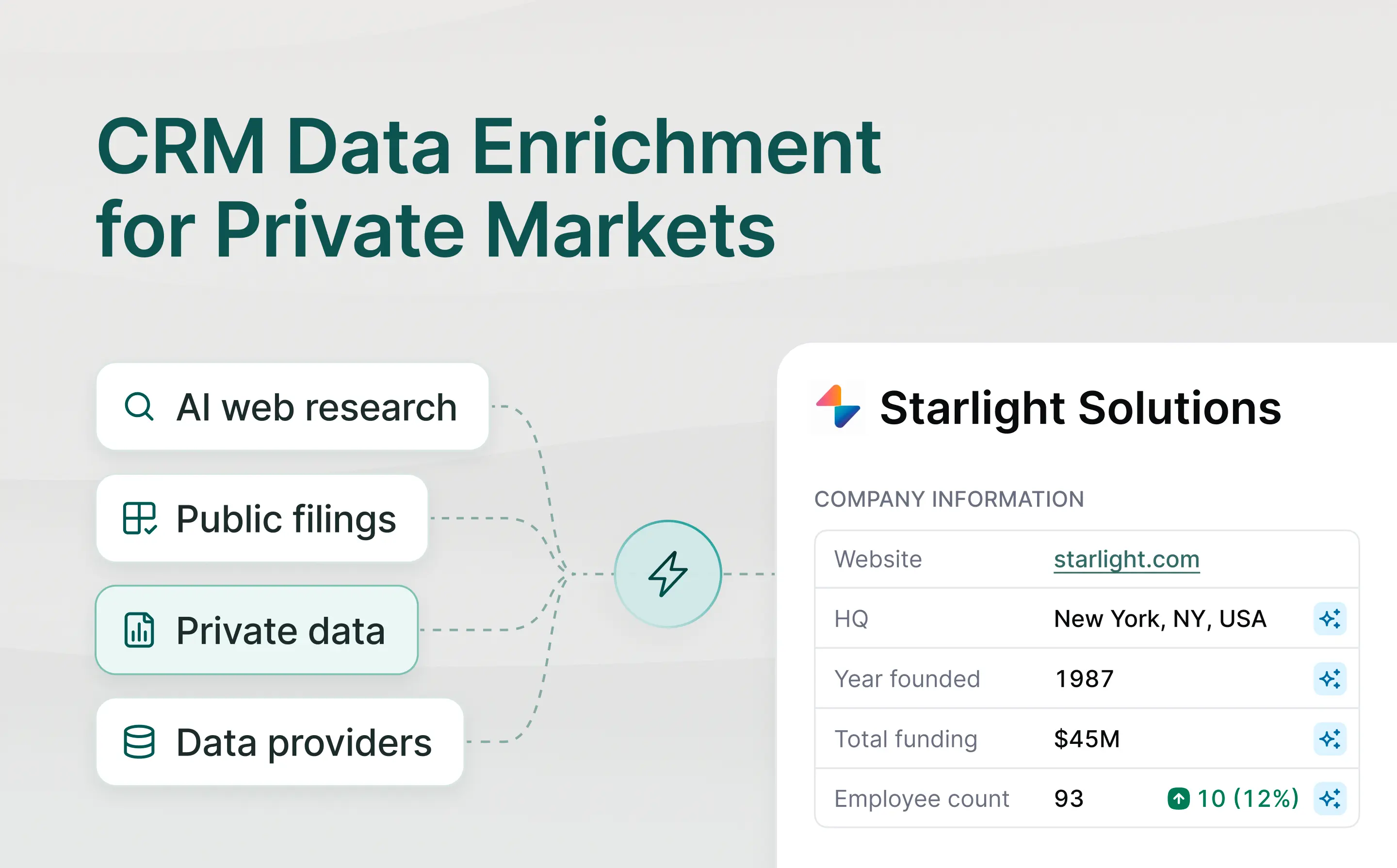
How deal teams keep company data clean and consolidate their vendors with built-in data.