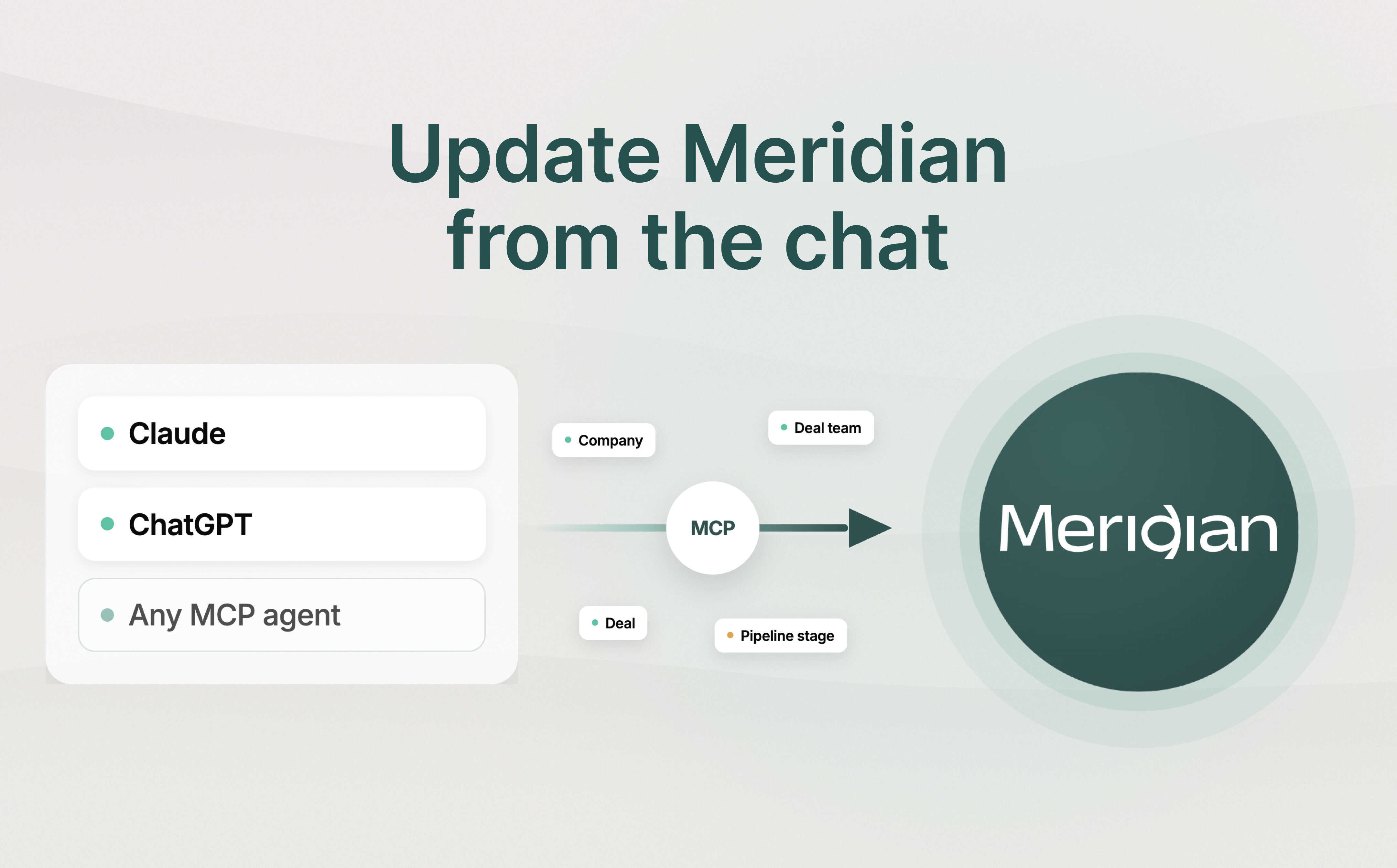

Meridian MCP is live!
Connect your deal sourcing data to any AI tool.
Learn More
Meridian raises $7M seed round led by 645 Ventures.
Read More
Fundraising data doesn't fit a deal CRM, and Excel trackers aren't a system of record. A buyer's guide to LP relations and fundraising software for PE and VC firms.

Deal teams at private equity and venture capital firms have access to purpose-built CRMs, AI-powered sourcing, and structured pipeline workflows that didn't exist five years ago. But IR and fundraising teams at those same firms often work out of a shared spreadsheet (usually named something helpful like “LP_Tracker_v4_FINAL.xlsx”) and an Outlook folder of old roadshow emails.
That gap has been the orphan workflow in private markets technology. It is also the workflow where the stakes are highest. Every deal a fund closes, every hire it makes, and every platform it builds runs on capital raised from limited partners. The systems that manage those LP relationships should reflect how much they matter.
A new category of fundraising software is closing that gap. Some platforms now offer fundraising as a module inside the same CRM that manages deals. Others operate as standalone IR tools with deep LP workflow features.
This guide walks through the five stages of the fundraising workflow, explains what to look for in fundraising software at each stage, and compares the leading platforms for PE and VC firms in 2026.
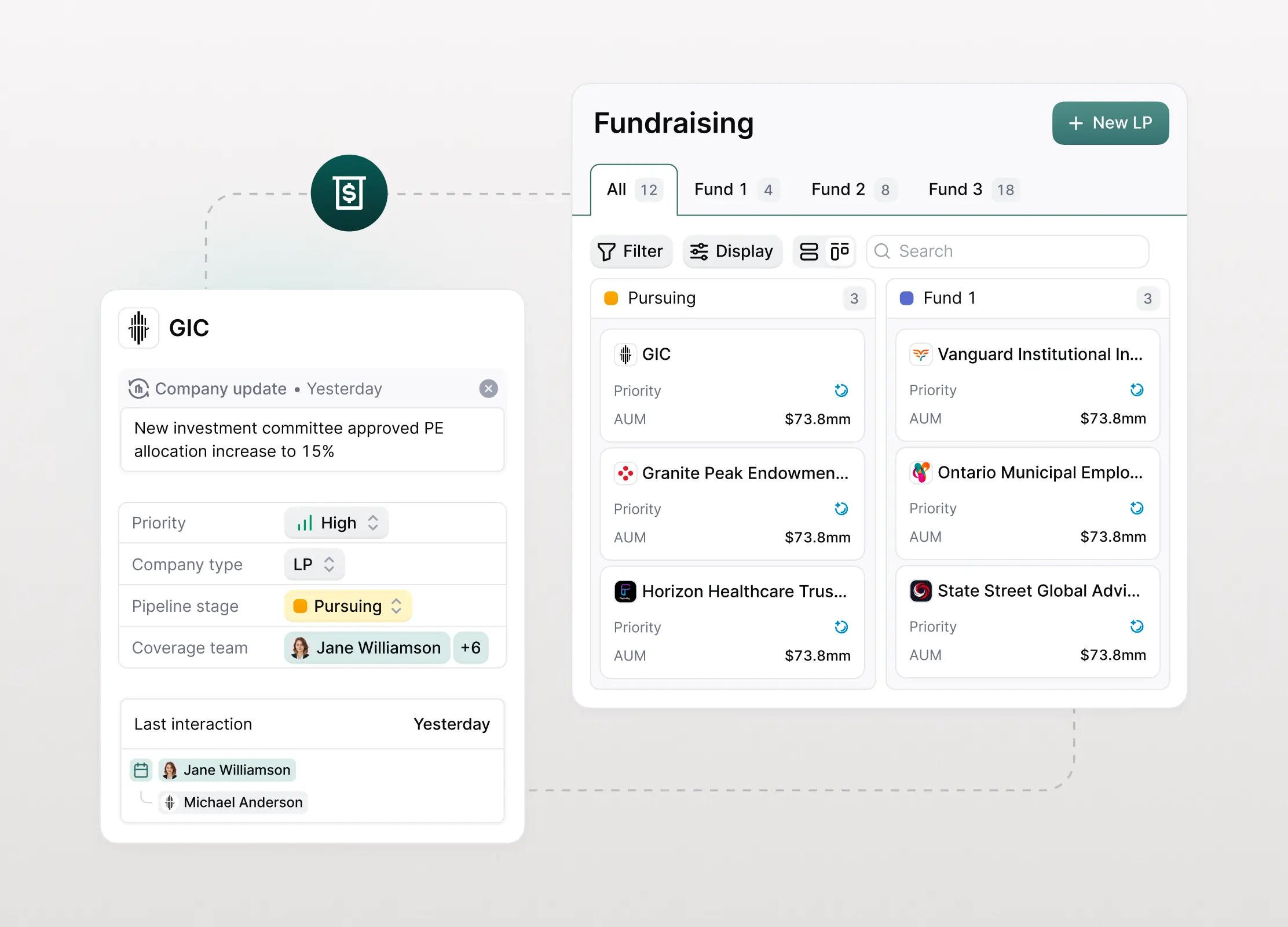
Deal CRMs were designed to track companies, contacts, deal stages, pipeline values, and transaction history. The data model optimizes for sourcing velocity and deal execution. A target company moves through outreach, evaluation, diligence, term sheet, and close. The schema works.
Fundraising operates on a different schema entirely.
Software built for fundraising has to track:
When IR teams force this data into a deal CRM, they can lose the ability to track commitment pacing across vintages, map LP mandates against fund strategy, or produce real-time fundraising reports without manual aggregation. When they run it on spreadsheets, institutional memory walks out the door every time someone leaves the team. (For more on why standard CRMs aren't fit for purpose in private markets, see our piece on why PE CRMs differ from standard CRMs.)
Fundraising is a process. Most firms run all five stages below in parallel for any given fund, and many run them in parallel across multiple funds. Strong fundraising software supports each stage, in the same system, with shared data underneath.
The first job in any fundraise is figuring out which LPs to call. Most firms still do this manually. They pull lists from Preqin or PitchBook, cross-reference against past LPs and personal networks, and build target lists in Excel. The result is often a list that includes some great fits, some bad fits, and some institutions whose allocation cycles closed two months ago.
The mandate-matching problem is real. Capital is not interchangeable. A pension fund with a 5% private credit mandate and a 10-year horizon is a different prospect than a family office writing $1 million ticket sizes opportunistically. Reaching out to LPs whose mandates don't fit your fund strategy wastes the IR team's time and damages credibility.
Good fundraising software handles three things at this stage:

Meridian's fundraising module enriches allocator profiles natively and integrates with Preqin via API. Because the same system tracks deal activity, IR teams can demonstrate track record relevance directly to prospective LPs by showing the deals closed in the LP's target sectors over the past three years.
Carta's LP CRM integrates live fund economic data, including IRR, TVPI, DPI, and Carry, directly onto LP records, which makes mandate fit easier to defend.
PipelineRoad is built specifically for LP intelligence and mandate matching, with integrations across institutional data sources.
A typical PE roadshow involves dozens of LP meetings over a few weeks. Each meeting needs tailored prep. The IR team needs to know what was discussed in the last conversation, what the LP committed to in prior funds, what fund vehicle they are considering this time, and any mandate or personnel changes since the last touchpoint.
Most firms prep for these meetings by searching old email threads for prior conversations and asking partners to recall what was said last quarter. This is fragile context. People leave. Memories fade. The night before a roadshow meeting, the IR lead is often piecing together context from four sources at once.
Software that supports this stage well does a few things:

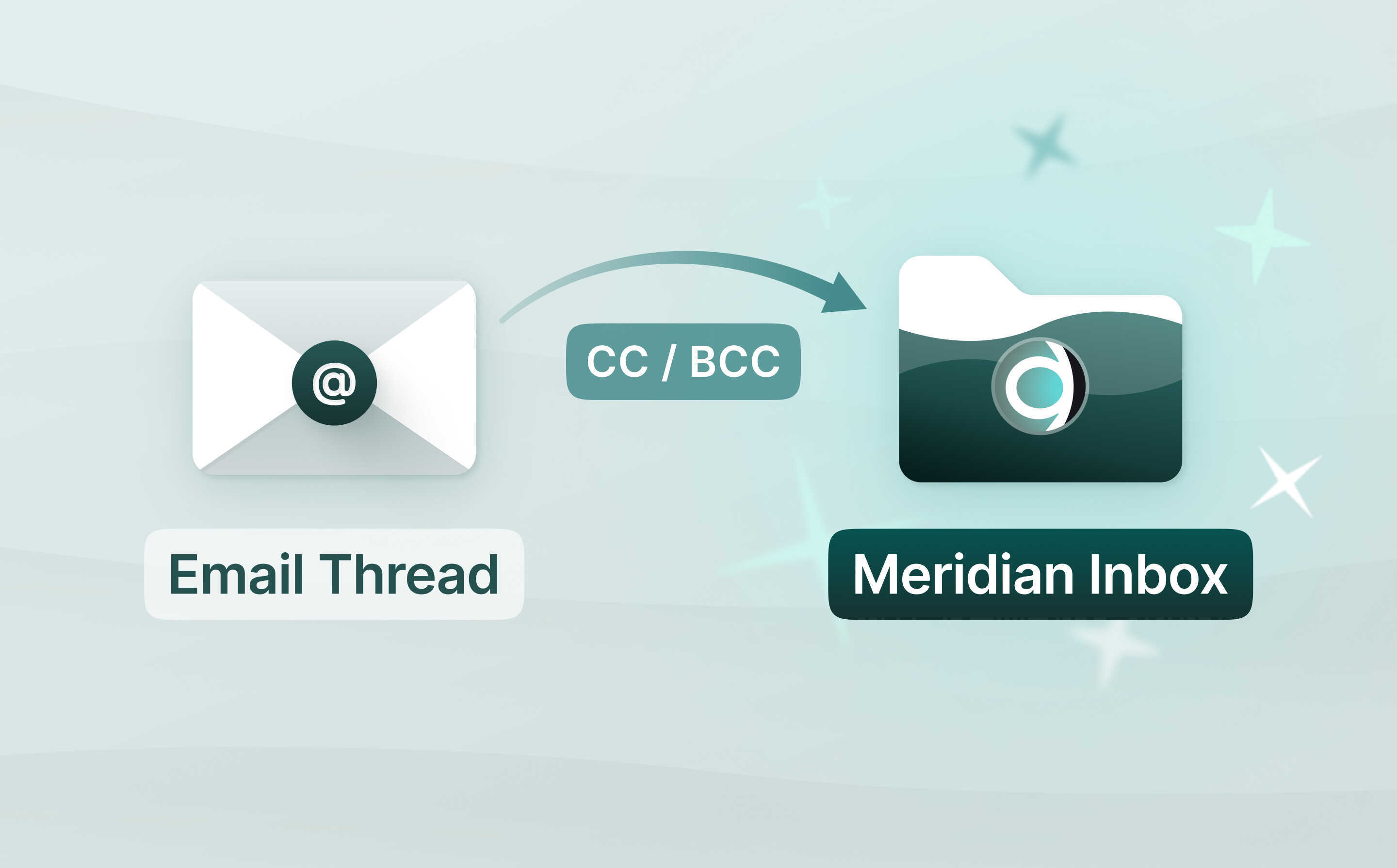
Meridian captures Outlook and Gmail activity automatically, and Scout AI generates LP meeting prep briefs in seconds.
Affinity offers strong automated activity capture and relationship intelligence scoring across LP contacts.
4Degrees pushes real-time alerts when LP contacts change roles or appear in news, which matters most when senior allocators move between institutions.
By the time a fund is in market, the IR team is tracking dozens of LPs across different stages: initial outreach, due diligence, committee review, soft circle, hard commit, and close. They may be doing this across multiple fund vehicles simultaneously, with different vintages closing on different timelines.
Most firms manage this on a fundraising tracker spreadsheet with one tab per fund, columns for each LP, status, expected commitment, projected close date, and notes. The tracker gets emailed around the firm every two weeks. Multiple versions exist at any given time. Someone's edits get lost.
The right software replaces this with:

Meridian supports multiple fund entities, simultaneous raises, and multi-close workflows, with LP tracking across vintages so the team can see commitment history at the relationship level.
DealCloud offers configurable fundraising pipelines with strong compliance tracking and audit trails, which suits larger firms with heavy regulatory requirements.
Dynamo's fundraising module supports commitment tracking and LP communication management.
Carta's LP CRM tracks fundraising pipelines alongside live fund performance metrics, which is useful when LP questions hinge on current portfolio data.
See how Meridian’s built-in investor relations module simplifies reporting and strengthens LP relationships while keeping all your data connected.
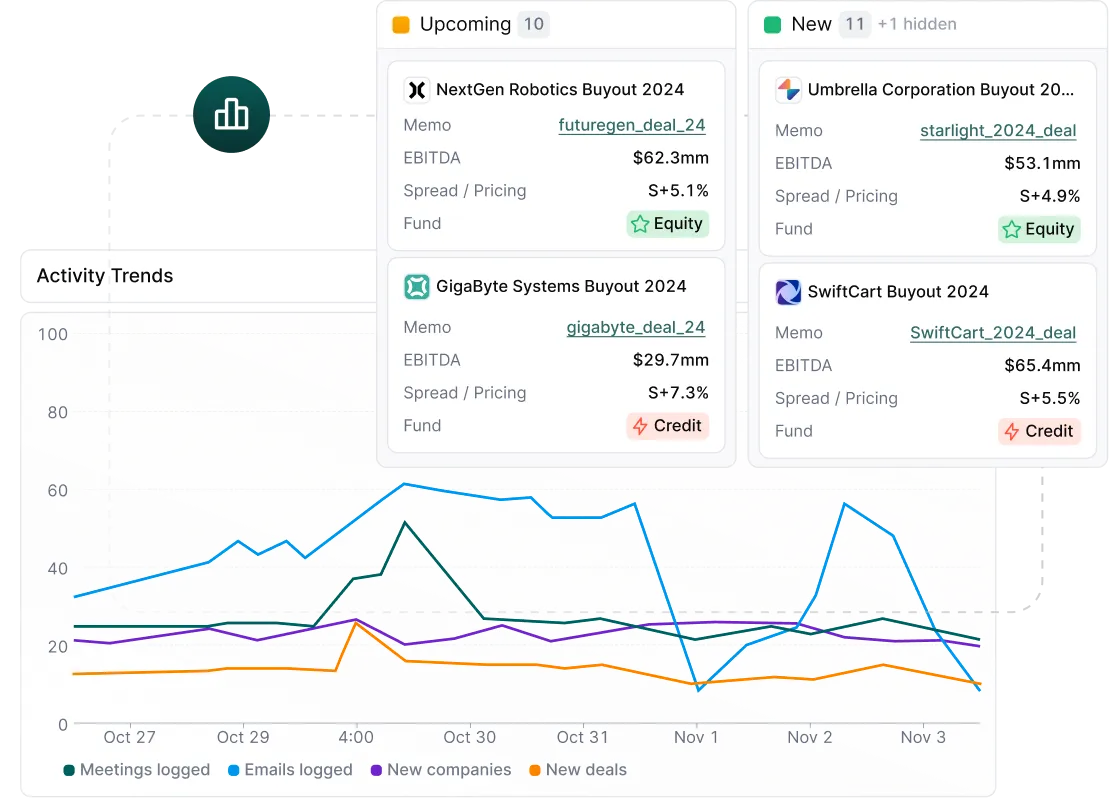
LP reporting is the most operationally expensive stage in the fundraising workflow, and it never stops. Quarterly letters, capital account statements, performance reporting, ad hoc LP requests, annual meetings, the list goes on. A single quarterly LP report can absorb a week of IR team time across pulling data from fund administration, gathering portfolio status from the deal team, and formatting everything in PowerPoint.
This is where the connection between deal data and fundraising data matters most. When LP reporting pulls from the same system that tracks deals, GPs can show LPs exactly how capital is being deployed, which deals are in pipeline, and how the fund's thesis is translating into action. That level of transparency is structurally impossible when deal data and LP data live in separate systems.
Good software at this stage offers:

Meridian's reporting generates real-time LP summaries and fundraising progress reports from CRM data, with no manual formatting.
Allvue Systems offers investor portals with automated data feeds from fund administrators.
Backstop provides a centralized IR CRM with a secure client portal and automated data feeds.
InvestorFlow's LP portal handles automated capital call and distribution reporting.
The years between fund closes are when re-up dynamics get set. Most firms send quarterly letters and hope LPs stay engaged. They start each new raise with an incomplete picture of which existing LPs are likely to re-commit and at what level. By the time the next fund is in market, the IR team is scrambling to reconstruct relationships that should have been maintained continuously.
The systems problem is the same as in the other stages. Re-up preparation depends on knowing the long arc of the LP relationship: how engaged they have been, how their mandate has evolved, what they have said about your performance, who else on their team interacts with your firm, and whether key contacts have moved on.
Software that supports this stage well does:
Meridian tracks LP activity across fund vintages and uses Scout AI to surface re-up signals.
Affinity's relationship intelligence covers the LP contact graph at the team level, including who at the LP knows whom at the GP.
PipelineRoad monitors LP mandates and allocation activity across institutional data sources.
There are two distinct philosophies in fundraising software, and the right answer depends on the firm.
The standalone IR tool model treats fundraising and IR as a specialized workflow that deserves its own platform. Backstop, InvestorFlow, PipelineRoad, and Juniper Square are built specifically for these workflows. They offer deep features for investor portals, DDQ management, capital call processing, and compliance reporting. They tend to integrate well with fund administration systems, which is what most LPs care about. The trade-off is that they do not connect to deal activity. When an LP asks how their capital is being deployed, the IR team has to manually bridge what the deal team sees and what the LP gets told.
The unified CRM model treats fundraising as a module inside the same system that manages deals. Meridian, DealCloud, and Dynamo are clear examples. The argument is that LP data connects to deal performance, pipeline activity, and team engagement in a single system, so GPs can answer LP questions without switching tools.
The Carta hybrid sits between the two. Carta's March 2026 acquisition of ListAlpha connected its existing fund administration ledger to a deal CRM and LP CRM, with live IRR, TVPI, DPI, and Carry metrics syncing directly to LP records. This is the first platform to combine deal activity, fund accounting, and LP management in one ecosystem. The integration is new, and how deeply the components connect over the next 12 months will determine whether this becomes a serious unified offering or an acquisition-stitched stack.
Both architectures are legitimate choices. Specialized IR platforms still fit firms with complex fund structures, multi-asset strategies, or heavy compliance requirements where the depth of the IR-specific feature set justifies the disconnect from deal activity. Firms that want to avoid running two systems, and that care about giving LPs live visibility into how capital is being put to work, will gravitate toward the unified approach.
Meridian is newer to market than DealCloud or Carta's underlying fund administration platform, and our LP feature set is younger than Backstop's or InvestorFlow's. What we offer is a single system of record that handles both deal flow and fundraising and works with any AI your firm adopts, with Scout AI built into the foundation rather than added as a chat layer on top.

Meridian's fundraising module runs inside the same CRM where deals are sourced, diligenced, and managed. It supports multiple fund entities, simultaneous raises, and multi-close workflows. LP records are enriched through built-in data and Preqin API integration. Every LP email, meeting, and touchpoint is captured automatically from Outlook or Gmail.
The practical benefit, based on hundreds of conversations with PE and VC firms, is that IR teams stop reconstructing context from scratch before every LP meeting. Scout AI generates LP prep briefs in seconds. Real-time fundraising progress reports and LP summaries generate without manual formatting. Because fundraising and deal data share the same system, GPs can show LPs exactly how capital is being deployed, in real time.
Implementation runs weeks for most firms, including data migration. Firms that want clean separation between deal and fundraising data can use instance-level firewalls and permissions. As a younger platform, Meridian raised a $7 million seed round in 2025 and is still earlier in its maturity curve than DealCloud or Carta. The trade-off, depending on the buyer's priorities, is between a newer platform with AI built into the foundation versus a pre-AI platform with a longer track record.
Carta's LP CRM is the most distinctive entrant of the past year. The platform integrates live fund economics (IRR, TVPI, DPI, Carry) directly into the CRM, so IR teams can pull current performance metrics onto LP records without bouncing between systems. With the ListAlpha acquisition, Carta now offers deal CRM, LP CRM, and fund administration in the same ecosystem.
The integration story is the open question. The Deal CRM launched in March 2026, and the depth of integration between deal activity, LP management, and fund accounting will determine how unified the offering actually is in practice. The CRM functionality itself is younger than purpose-built alternatives, and Carta's ecosystem is more closed than platforms with open API and MCP architectures.
For firms already using Carta for fund administration, the LP CRM is a natural extension. For firms whose primary need is deal-side CRM functionality, the maturity gap with Meridian or DealCloud is worth evaluating directly.
DealCloud is the standard at large, multi-office firms with heavy compliance and governance requirements. The platform supports deep customization for complex fundraising workflows, audit trails, and regulatory tracking. Its capital raising workflows integrate with deal pipelines for firms that take the time to configure them.
The trade-off is implementation and AI approach. DealCloud deployments often run six months or longer, and significant customization typically requires DealCloud's professional services team. Per-seat pricing at enterprise rates makes the platform expensive for smaller firms. DealCloud’s AI, Celeste, requires a re-implementation (and the associated fees) for existing customers — and Celeste isn’t native to the underlying DealCloud database, which comes with its own challenges for long-time users.
For firms that already have a customized DealCloud instance running, the fundraising functionality is solid. For firms starting fresh, or wanting useful AI, the implementation timeline and configuration overhead are real considerations.
The standalone IR category is where to look for depth of fundraising-specific workflow support, particularly for firms with complex LP bases or institutional reporting requirements.
Backstop is built for institutional IR teams managing large LP bases with heavy reporting requirements. It offers a secure client portal, automated data feeds from fund administrators, and deep compliance tooling. The platform is well-established and trusted by institutional allocators.
InvestorFlow is a cloud platform for fundraising pipeline tracking, secure data rooms, and automated capital call and distribution reporting. It serves PE, VC, and real estate.
Juniper Square is an investment management platform with LP portal, fundraising pipeline, and fund accounting capabilities. It originated in commercial real estate and has expanded into broader private markets, with a strong focus on fund administration alongside its IR tooling.
PipelineRoad takes a different approach. It is an AI-powered fundraising CRM specifically focused on LP mandate matching and investor intelligence, with integrations across institutional data sources. PipelineRoad explicitly positions itself as a complement to your deal CRM, not a replacement. Firms that want focused LP intelligence and are comfortable running two systems may find this attractive.
Your LPs are your most important long-term relationships. They fund every deal you do, every hire you make, and every platform you build. The firms treating fundraising technology as seriously as deal technology are the ones running faster raises, giving LPs better transparency, and building the trust that drives re-up rates.
Whether you choose a unified platform or a standalone IR tool, the status quo of Excel trackers and Outlook folders is a risk most firms can no longer afford. We built Meridian's fundraising module specifically because the LP relationship deserves the same software investment that deal flow gets.
Discover how Meridian can streamline deal sourcing and enhance your decision-making

Meridian gives you the context and insights you need to nurture the connections that pay off.
What's the best CRM for PE fundraising and LP management?
The right platform depends on whether the firm wants a unified deal and fundraising system or a specialized IR tool. Meridian, DealCloud, and Dynamo offer fundraising as a module inside the same CRM that manages deals. Carta's LP CRM integrates live fund performance metrics with relationship data. Standalone IR platforms like Backstop, InvestorFlow, and PipelineRoad offer deeper IR-specific features but require a separate deal CRM.
Is there a CRM that handles both deal flow and fundraising?
Yes. Meridian, DealCloud, and Dynamo are built to support both workflows in one platform. Carta is assembling this through acquisition, combining its fund administration with the ListAlpha-based Deal CRM and LP CRM. Most standalone IR tools, including Backstop and InvestorFlow, focus on the fundraising and LP side and expect firms to run a separate deal CRM.
How do PE firms track LP commitments?
Commitment tracking typically runs through a fundraising pipeline with stages calibrated to institutional timelines, including initial outreach, due diligence, committee review, soft circle, hard commit, and close. Software built for this supports multiple fund vehicles, simultaneous raises, and multi-close workflows. Firms that run this on spreadsheets typically struggle to maintain pacing visibility across vintages.
What is an LP portal?
An LP portal is a secure, self-service platform where limited partners can access fund documents, performance reports, capital call notices, distribution statements, and tax documents without contacting the IR team. Standalone IR platforms like Backstop, InvestorFlow, and Juniper Square offer mature LP portals. Unified CRMs are increasingly adding portal functionality.
How does fundraising software differ from a standard CRM?
The data models are different. A standard CRM tracks companies, contacts, and deal stages. Fundraising software tracks LP entities, fund vehicles, commitment pacing, allocation mandates, capital call schedules, and distribution waterfalls across multi-year fund cycles. Forcing fundraising data into a generic CRM with custom fields usually means losing the ability to track commitment pacing across vintages or generate real-time fundraising reports.
Can fundraising software integrate with Preqin?
Yes. Platforms including Meridian integrate via API with Preqin and other LP data providers to enrich allocator profiles and mandate intelligence. The depth of integration varies. Some platforms pull static profile data, while others sync allocation history and mandate signals continuously.
What did Carta's ListAlpha acquisition mean for PE fundraising software?
Carta acquired ListAlpha in March 2026 and launched Carta CRM, combining deal CRM and LP CRM with its existing fund administration platform. This is the first attempt to offer deal activity, fund accounting, and LP management in a single ecosystem, with live fund performance metrics syncing directly to LP records. The integration is new, and how deeply the components connect over the next year will determine its impact on the unified-platform category.

Table of Contents

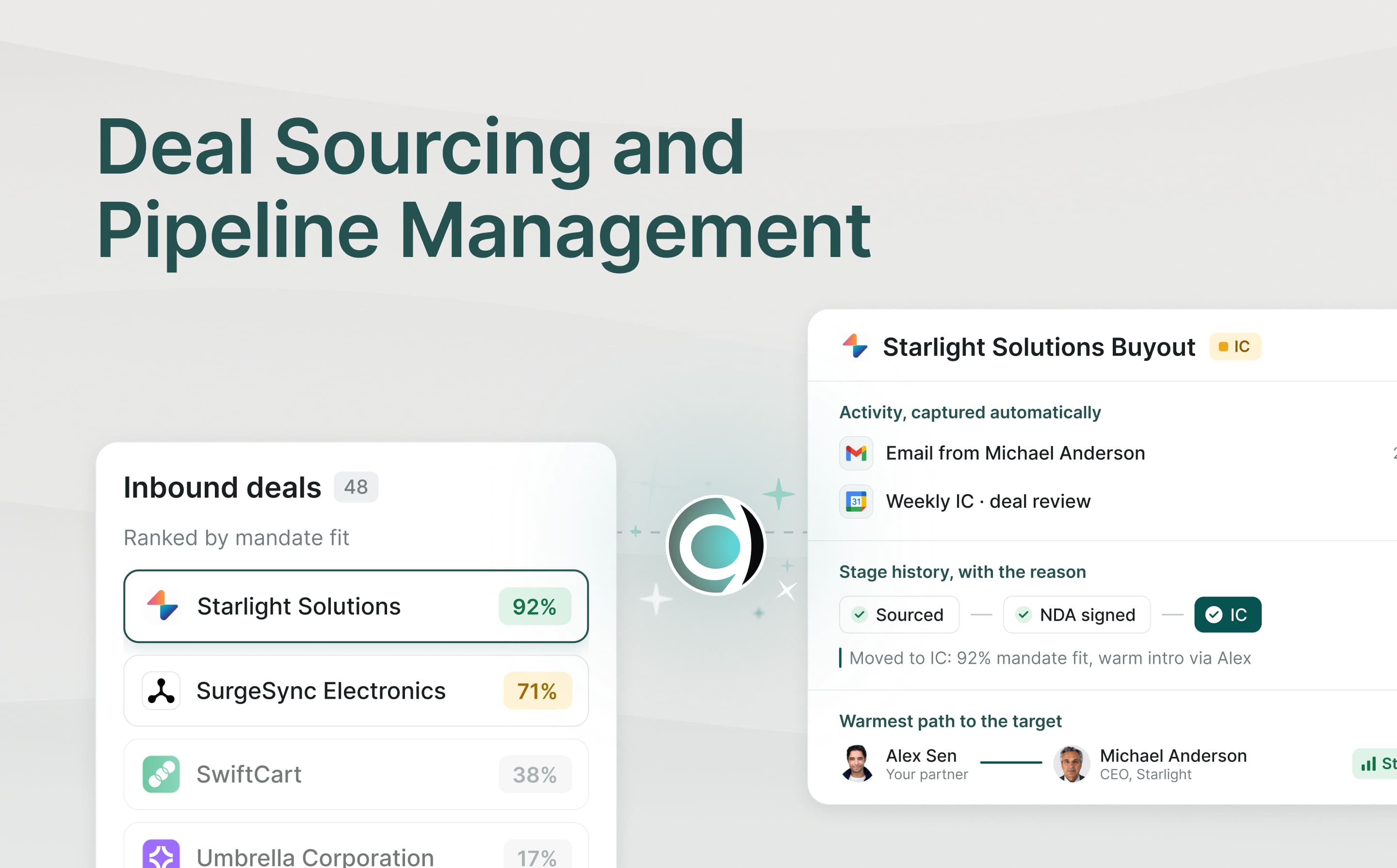
Why deal sourcing and pipeline management belong in one system, how proactive thematic sourcing wins proprietary deals, and how to stop pipeline leakage.