

Meridian MCP is live!
Connect your deal sourcing data to any AI tool.
Learn More
Meridian raises $7M seed round led by 645 Ventures.
Read More
Evaluating investor relations software for PE? Compare LP portals and integrated CRM platforms to find a tool that fits your firm’s needs.
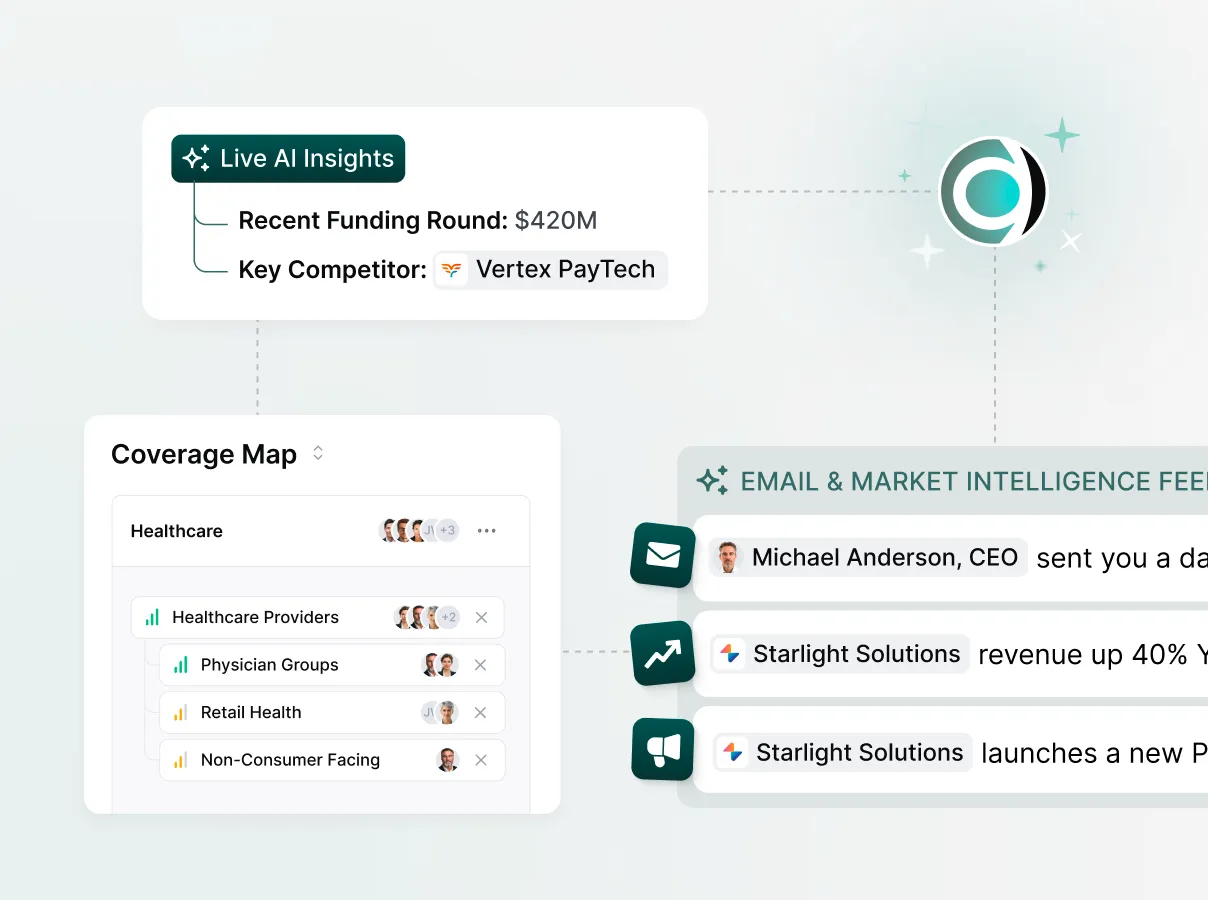
Investor relations software is central to how your team manages investor relationships and drives successful fundraising processes. And the right tool can give you a competitive advantage in identifying the right investors, closing funds, and securing capital.
But too many firms still rely on email threads, Excel sheets, and shared drives for their IR processes. That means quarterly reports are assembled from multiple data sources, LP questions live in individual inboxes, and relationship history depends on who happened to remember the last conversation.
That model doesn’t scale, and it doesn’t impress investors.
LPs expect clean reporting, fast responses to ad hoc questions, and a professional experience that reflects the sophistication of the firm they’re backing. That’s where investor relations software steps in.
This article explains what IR software includes, compares the top tools for private equity firms in 2026, and gives you a clear framework for choosing between standalone portals and integrated solutions.
Our top picks for investor relations software:
When choosing an IR stack, your options typically fall into two buckets: investor relations software or IR functionality embedded inside a private equity CRM. Which is best for your firm depends on whether you want to separate your fundraising workflows from deal flow processes, or want one source of truth where all your firm’s data is stored.
Many firms land on a two-tool setup because IR software and CRMs solve different problems. That split can work, especially for firms with large dedicated IR teams that operate relatively independently, but it can also create friction once data has to move between systems.
This data must be being maintained in both tools unless the CRM reliably feeds the portal. And even when systems integrate, small differences in record structure and rules can create mismatches and duplicates, which erodes confidence in what’s accurate and current.
The impact shows up at quarter-end: inconsistencies surface right when pressure is highest, forcing teams to double-check inputs before any documentation is shared with LPs.
An integrated solution reduces this friction by keeping IR workflows and LP delivery connected to the same underlying records. And with the right tool, you can give deal and IR teams separate accounts that only show them the dashboards they need while linking deal information between the two.
Best for firms that want investor relations built into a PE-native CRM, with LP engagement and fundraising progress tracked in one system.
Meridian’s AI-native CRM for private equity goes beyond basic recordkeeping to give you a tool that helps you grow your firm.
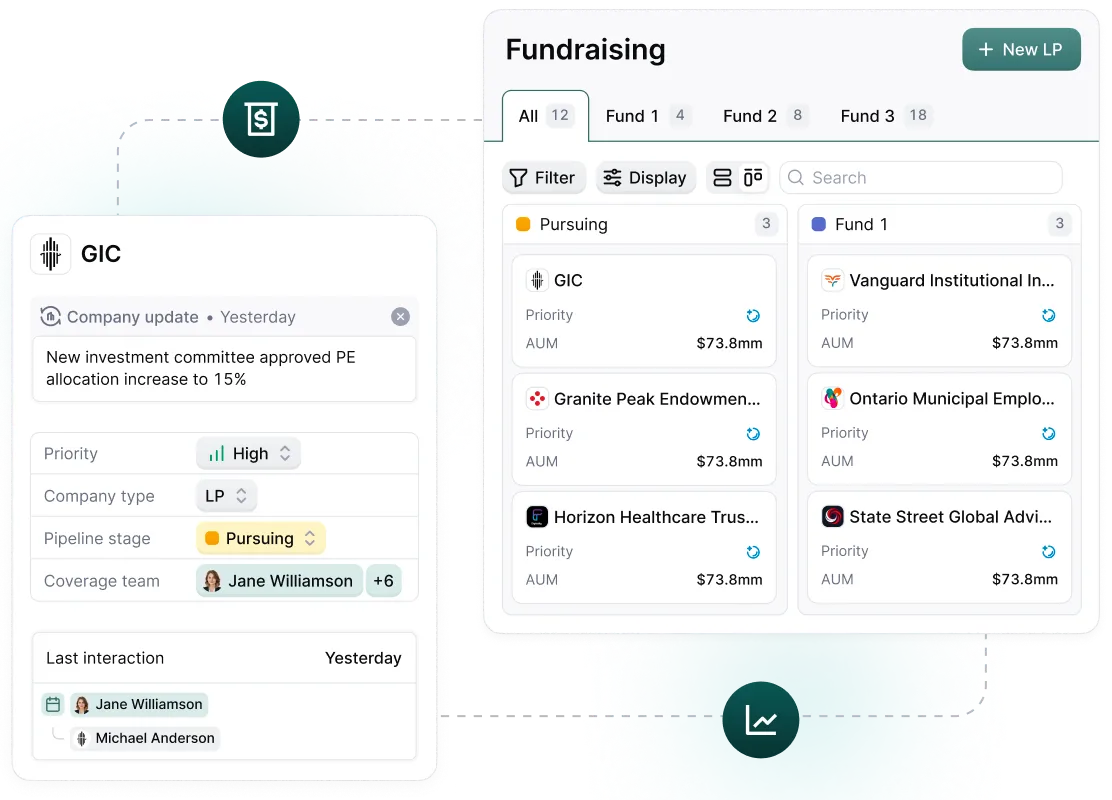
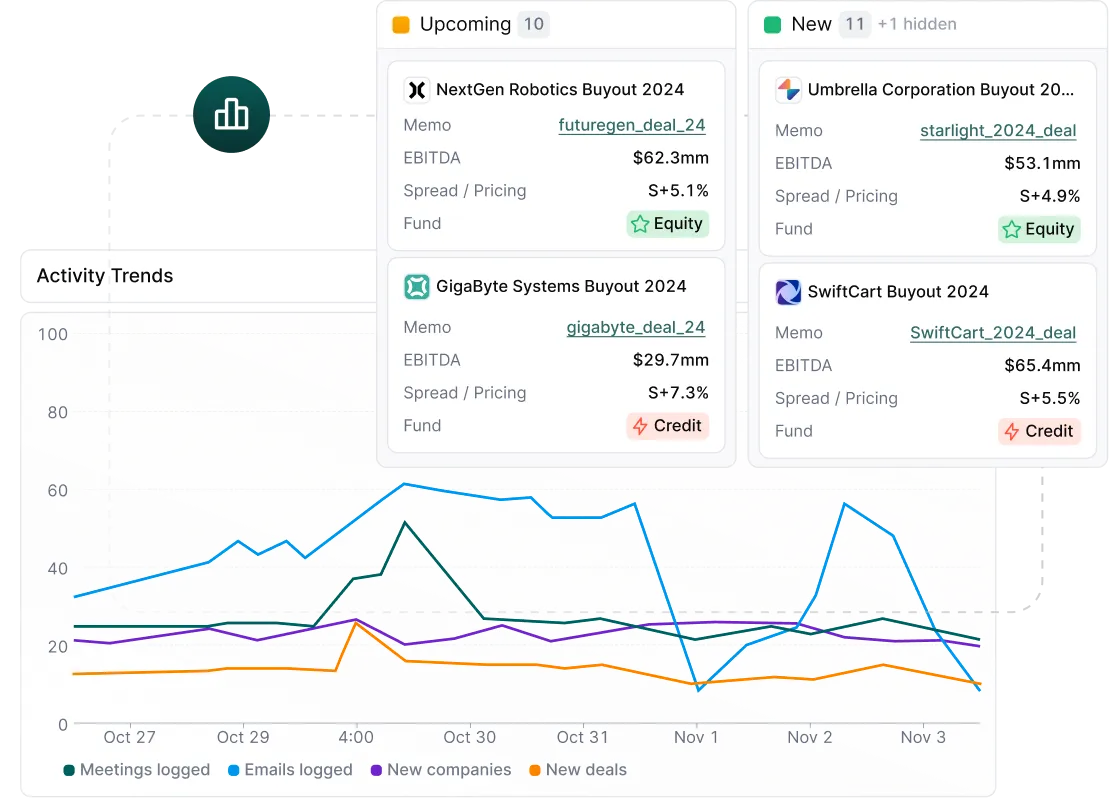
The platform’s Fundraising module enables you to track multiple simultaneous raises and manage various fund entities at once. It maps LP commitments across stages, and live dashboards make it easy to visualize commitment ranges from LPs, track completion targets, and gauge how close you are to achieving your fund raise.
Automated context capture logs LP emails, calls, and meetings, then rolls everything into a unified interaction record across your firm, with permissions and firewalls to control visibility. And pre-meeting context features generate commitment pipelines, tear sheets, and touchpoint history instantly.
Investor relations break down when information is siloed or scattered. This leads to common private equity challenges. like teams scrambling come time to generate reports or partners walking into an LP meeting without the full picture.
Meridian centralizes IR workflows to make LP communications seamless. And emails, calls, and meetings are logged automatically from Outlook or Gmail and tagged to the right LP, so relationship history stays current without manual updates.
When it is time for reporting, the system outputs partner-ready tear sheets, commitment maps, and touchpoint histories in branded PDFs or Excel sheets with one click. This replaces ad hoc trackers with a live view of the raise to make follow-ups and LP updates scalable.
Meridian also avoids a common issue with other all-in-one CRMs. When you combine fundraising activity and deals in one pipeline, the interface gets noisy fast.
Meridian supports a hybrid setup where IR and deal teams can run in separate environments with tailored dashboards and data taxonomies. When you need overlap, it’s easy to share specific context across teams, like deal information and portfolio performance.
See how Meridian connects fundraising, sourcing, and LP engagement without added friction or complexity.
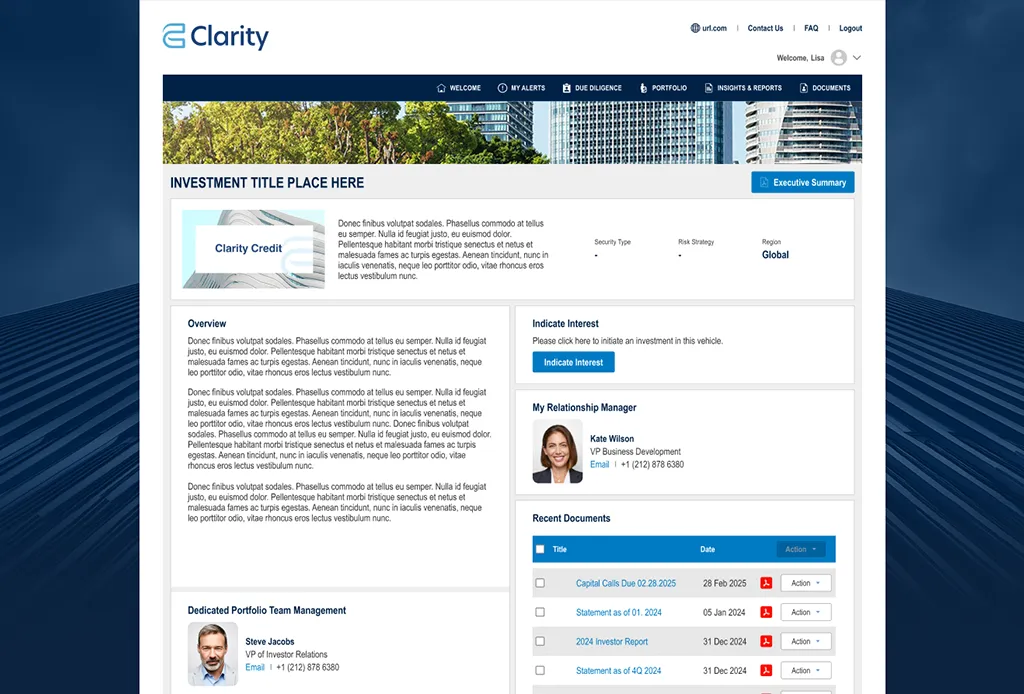
Best for PE teams that need a portal-first hub for LP updates, reports, and capital events.
Zapflow’s investor relations tool gives IR teams a dedicated place to manage LP engagement without relying on email threads and spreadsheets.
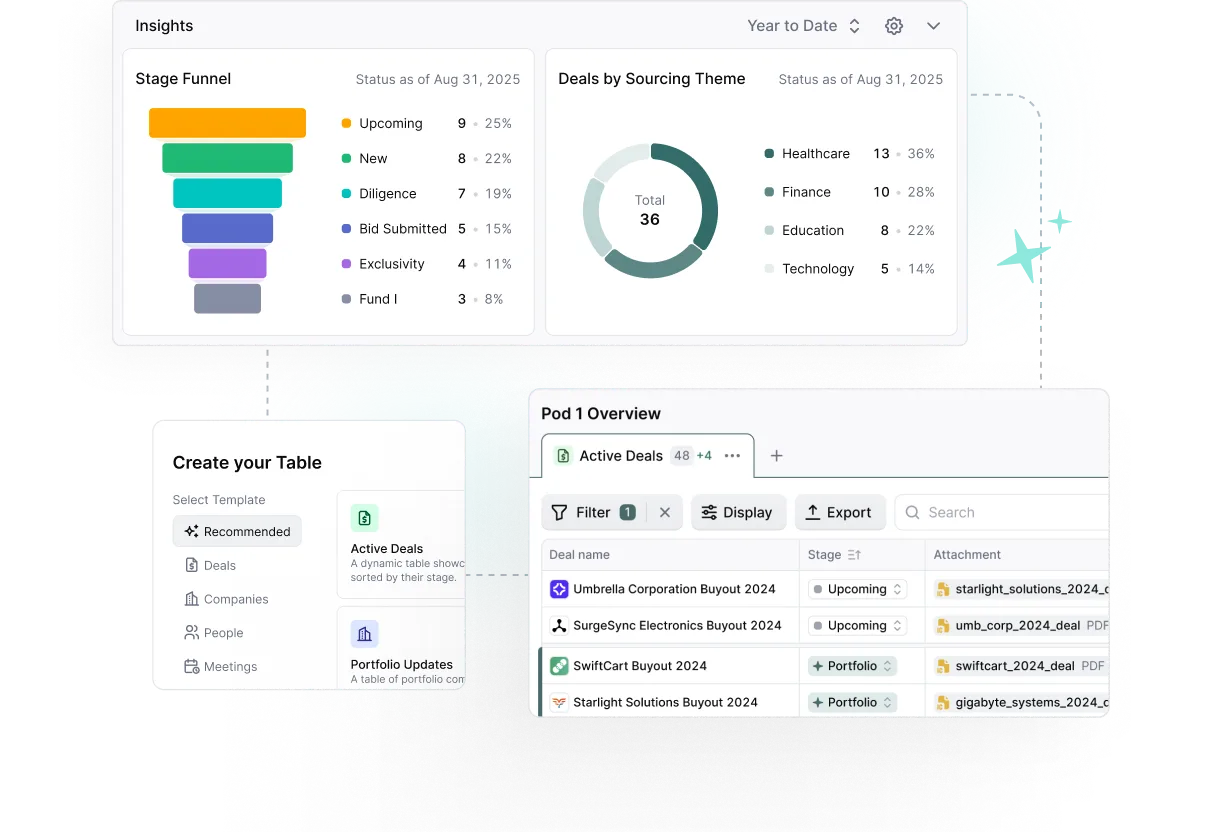
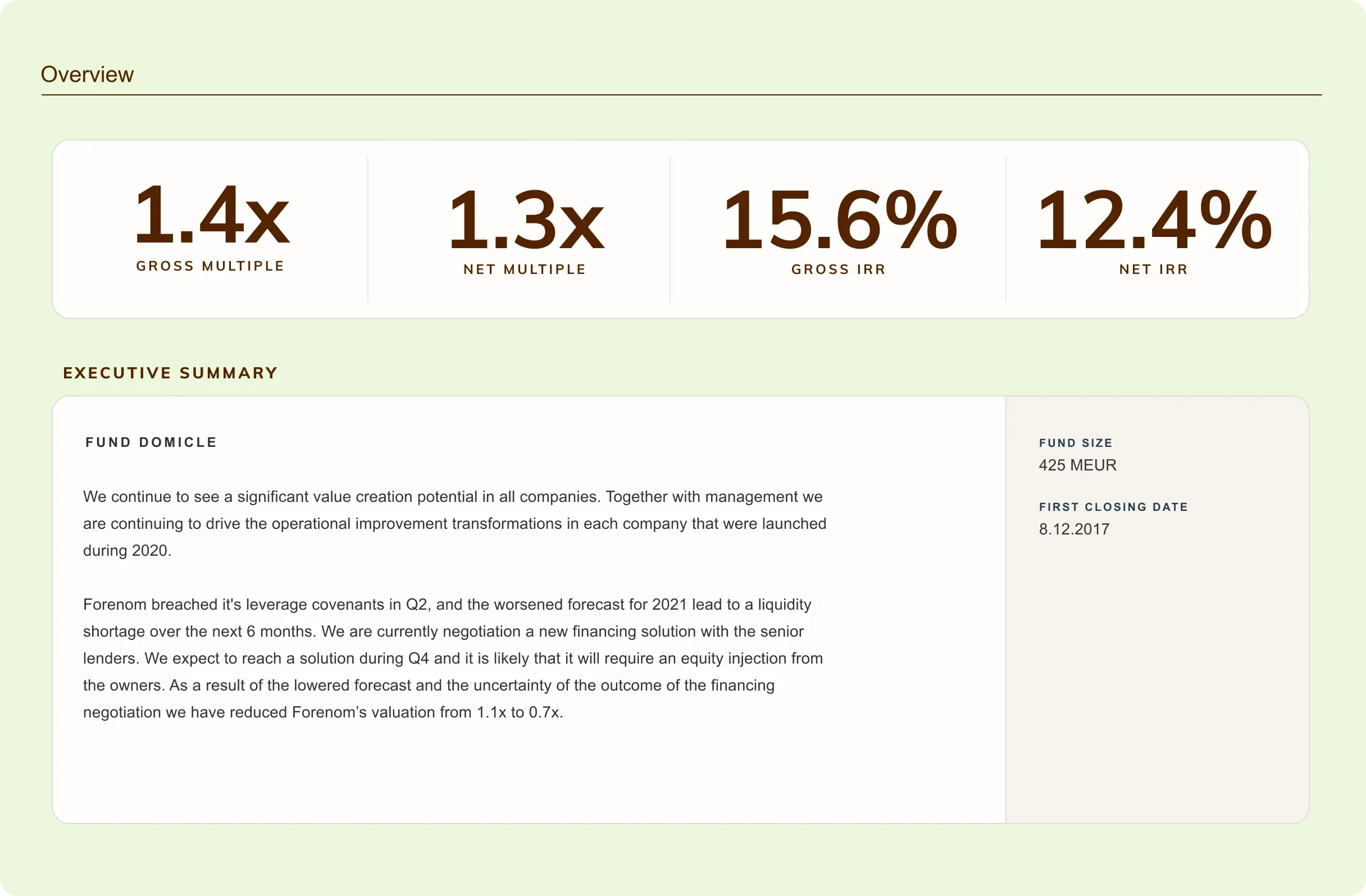
The standalone LP relationship management portal is good for sharing updates and documents, automated report distribution for recurring deliverables, and structured workflows for capital calls and distributions.
Zapflow gives teams a structured way to distribute investor materials and manage capital-event communication without turning every LP request into a new manual process.
Many firms struggle with multiple LPs asking for slightly different versions of the same update at the same time. Zapflow makes this process easier to handle by keeping materials organized, access-controlled, and easy to share.
It also reduces the admin load around capital calls and distributions. Notices and supporting documents can be issued and tracked in one place, with visibility into responses and timing, so deadlines are managed through a workflow instead of memory and follow-up emails.
Best for enterprise firms that prioritize governance, entitlements, and audit-ready investor servicing.
InvestorFlow’s AI-powered enterprise platform combines investor services with fundraising and deal workflows in one suite. It is built for firms that need investor operations to run at scale.
Its investor relations layer covers essential features like reporting and LP communications but lacks innovative functionalities like LP sentiment analytics and AI-generated activity summaries.
InvestorFlow’s differentiator is that it simplifies governance. Transactions and communications are logged automatically with fund-level permissions and audit controls.
You can share fund documents, DDQs, and tax forms through a secure portal, with granular access capabilities and full audit trails, so each LP only sees what they’re authorized to.
Another feature to note is how the platform handles LP requests. When requests come in from investors, they move through routing workflows, and IR teams can pull AI-generated summaries of prior interactions to respond with the right context.
Best for IR teams that want engagement tracking to improve LP follow-up.
Altvia’s private capital fund management software combines CRM, investor communications, and secure sharing into one connected system. It helps you manage updates like most IR tools, but it’s also built to track engagement and make LP follow-up easier and more accurate.
Additionally, the platform’s designated portal gives LPs access to all the information they need, so you can reduce email back-and-forth.
Altvia simplifies IR by turning what’s normally a fragmented process into one connected workflow.
Communications can be built directly from CRM data using templates and smart lists inside a single integrated system (data, segmentation, templates, analytics).
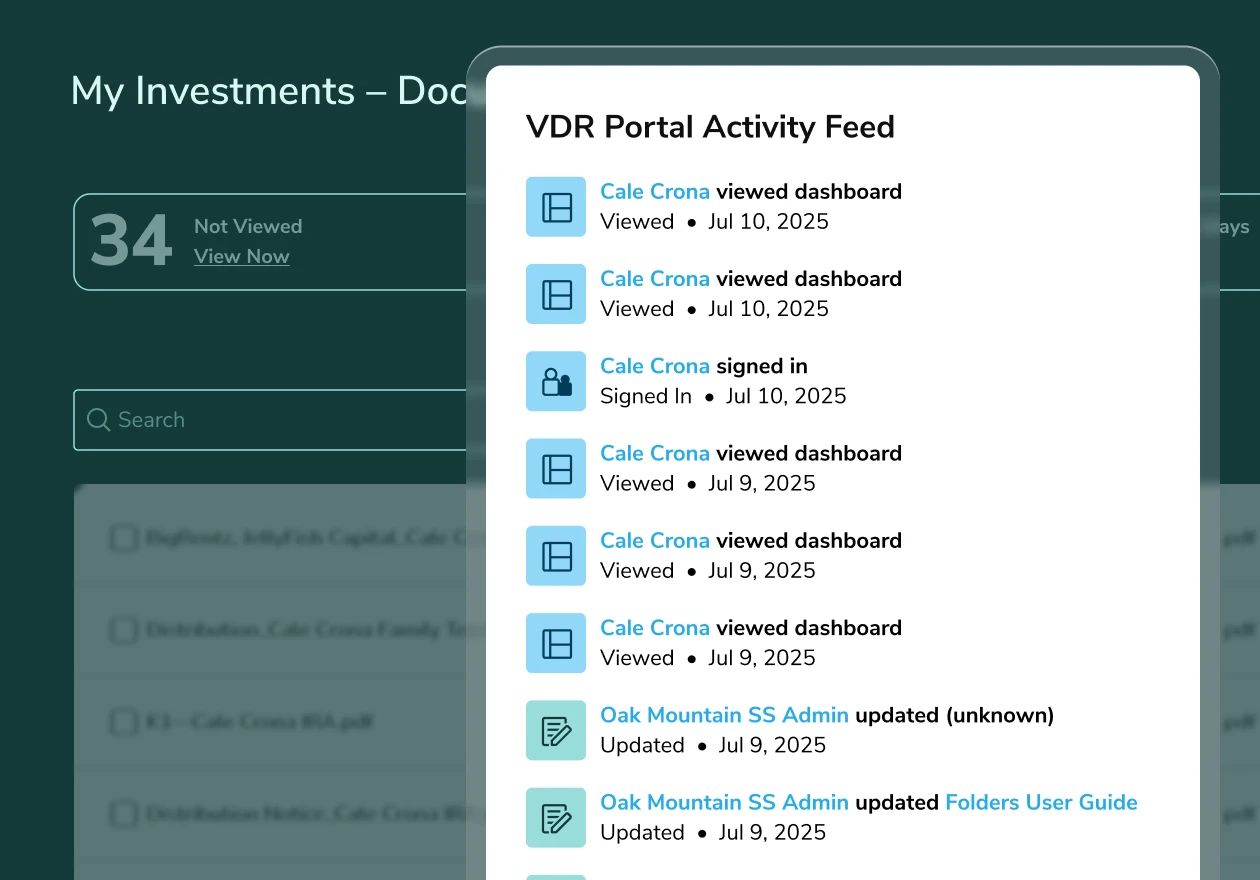
After distribution, IR teams can see whether specific contacts have opened an email or viewed key documents. You can also identify which LPs haven’t been contacted in a while to nurture the relationship.
The payoff is speed and confidence in LP interactions: your team can respond faster because communications, documents, and investor activity sit together. And you’re not hunting through inboxes or reconciling multiple sources to understand what an LP has already seen.
Best for teams that want automatic activity capture and firm-wide relationship visibility.
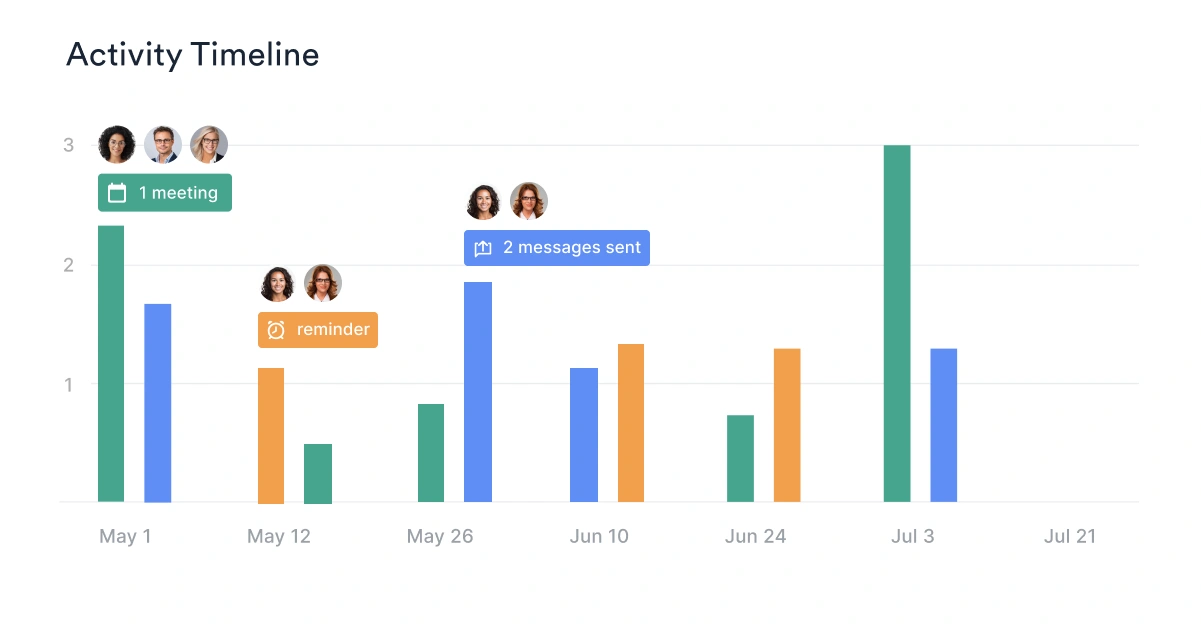
Affinity is a CRM built for private capital firms. It automatically captures relationship and activity data from your team’s emails, calendars, and meetings, then organizes it into a structured investor database.
For IR teams, this means LP touchpoints stay current without relying on partners to log meetings or update notes, so IR teams can focus on strengthening LP relationships and planning the next raise.
Affinity’s main capability is relationship intelligence. It removes the burden of manual relationship tracking by automatically capturing communications across the firm to build a living history of LP engagement.
Because every interaction is centralized, IR teams can easily see the full context of a relationship, including who has engaged, how recently, and at what frequency. This ensures consistent LP coverage across fundraising cycles.
Plus, you can see where warm connections exist within the firm, which can influence how and when you approach LPs.
At Meridian, we believe that investor relations shouldn’t sit in its own siloed tool. That’s why we’ve unified IR and deal tracking inside a single, AI-powered PE CRM platform.
You get:
And with Meridian, fundraising activity doesn’t have to clutter your deal pipeline. With instance-level firewalls and configurable workspaces, IR and deal teams see only the dashboards they need to while still having the ability to access relevant data and context from other teams.
Meridian is purpose-built for an integrated approach, giving you an IR solution that’s easier to run, easier to trust, and easier to scale across fund cycles.
Discover how Meridian can streamline deal sourcing and enhance your decision-making

See how Meridian’s built-in investor relations module simplifies reporting and strengthens LP relationships while keeping all your data connected.
The best IR software depends on whether you want a standalone tool or an integrated platform. The top picks for 2026 are Meridian, Zapflow, InvestorFlow, Altvia, and Affinity. Meridian is best if you want IR built into a PE-native CRM with fundraises tracked by fund and close date.
IR software pricing varies based on whether you buy a standalone LP portal or an integrated CRM module.
The real cost is the “two-system tax”: duplicate data maintenance, information sync issues, and time-consuming double checks when data moves between tools. Integrated platforms can lower that overhead by keeping IR workflows and LP delivery connected.
Standalone IR software makes sense if your main need is keeping investors updated: sharing updates and documents, automated report distribution, and structured workflows for capital calls and distributions.
If your priority is reducing duplication between systems and creating one source of truth for all your workflows, from deal sourcing to LP relationship management, an integrated CRM approach can be a better fit.

Table of Contents

AI adoption has outpaced results in private markets. The four workflows that change deal-team output, and why the data layer matters more than the model.

.webp)